The History of Westerqwarn | On the Kolbäcksån River Since 1399 - Westerqwarn

Hours: Wood-Fired Pizza & Bistro Wed–Sun, 11 a.m.–9 p.m. Lunch: 11 a.m.–3 p.m.

History

Mill operations since 1399

Over six hundred years of history along the Kolbäcksån River, from the medieval mills to today’s Westerqwarn on the Strömsholm Canal.

Over six hundred years of history along the Kolbäcksån River, from the medieval mills to today’s Westerqwarn on the Strömsholm Canal.

There is a mill by the rapids in Kolbäck, and it has stood here longer than almost anything else in the area. As early as 1399, the water was already powering a mill at this site. Then the Crown took over; for generations, people carried 100-kilogram sacks up the slope, and in 1974, the last batch of flour passed through the millstones. After that, it took two people to keep the mill alive.

Kvarnplatsen and the Crown

Gustav Vasa took over the mill in 1557; by then, milling operations had been carried out here for over 150 years

Mill operations at this site have been documented since 1399. At that time, the site was called Mölntorp, while the name Westerqwarn first appears in records from the 1450s. In 1457, the name Westherqwarn appears in Karl Knutsson Bonde’s land register. We do not know exactly what the early mill looked like, but its location at the waterfall on the Kolbäcksån River provided excellent conditions for hydropower. In 1557, the mill was transferred to the Crown during the reign of Gustav Vasa. During the 16th century, a royal castle was also built at Strömsholm, on the site where Strömsholm Palace would later be constructed. Westerqwarn and Strömsholm thus share a long history side by side along the Kolbäcksån River.

The Building

The current mill building was constructed between 1867 and 1870
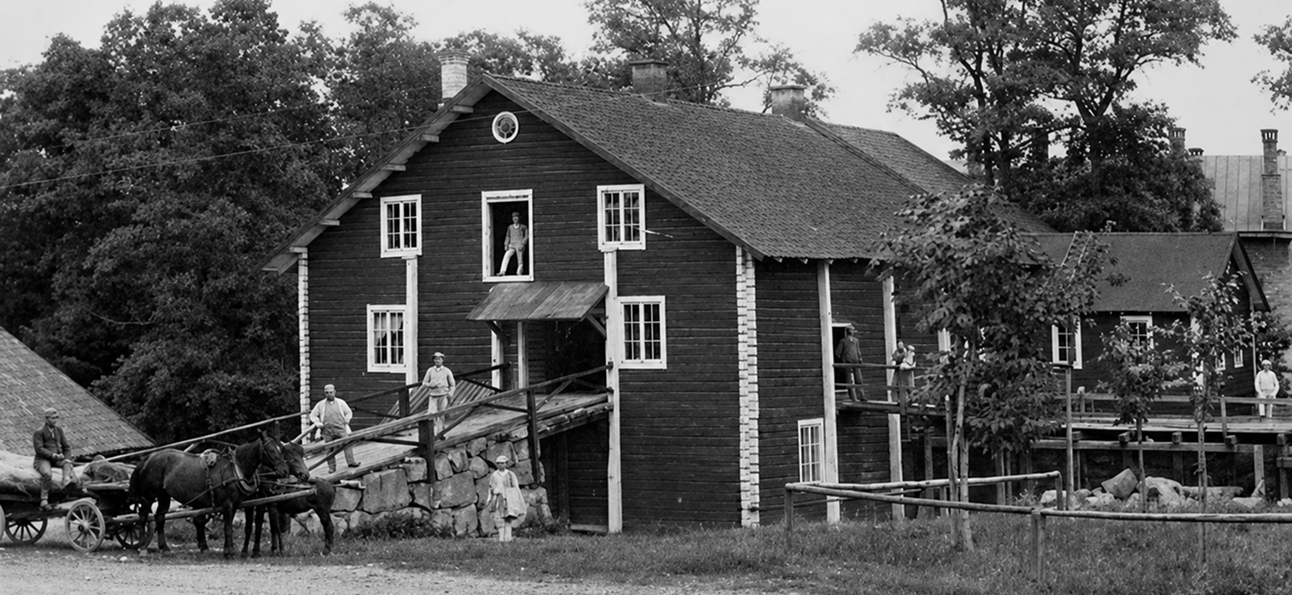
The milling operations at Westerqwarn date back much further than the building we see today. The current mill was built between 1867 and 1870 and grew to become one of the country’s largest mills. The mill’s location on the hillside was practical for the work: the grain could be brought in higher up in the building and then moved downward through the mill during the various stages of the process. In this way, the mill was able to take advantage of both the building’s elevation changes and the water power from the Kolbäcksån River.

The Waterwheel and the Power Plant

The waterwheel stopped running in 1915, and electricity took over
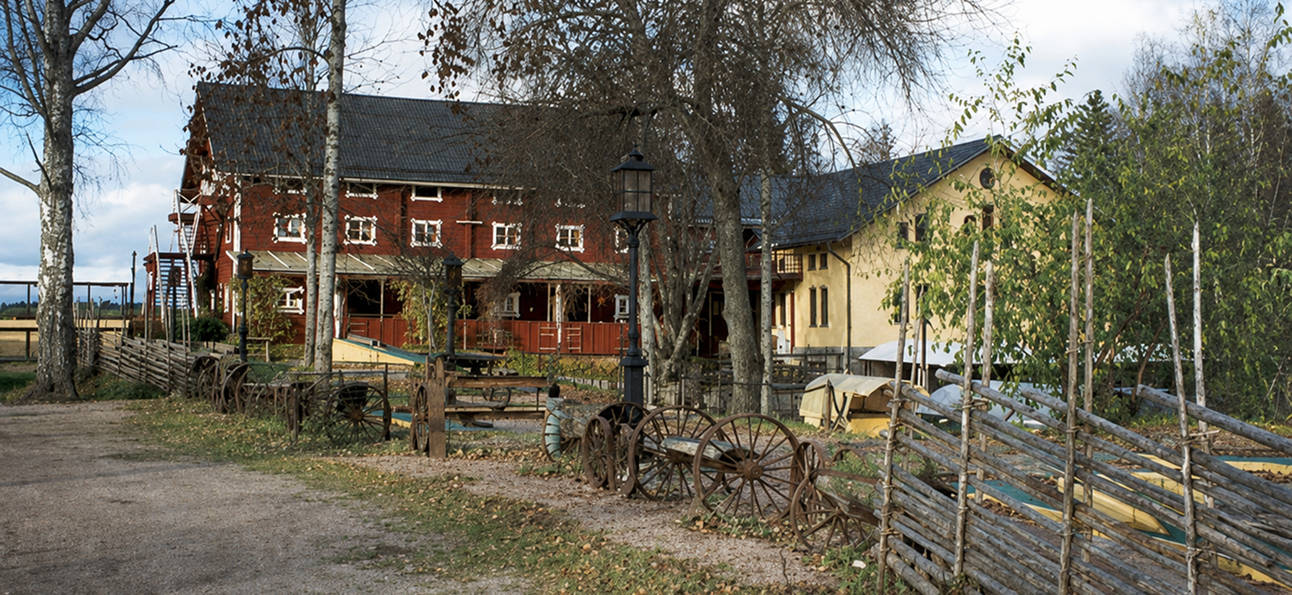
The blades of the large wooden wheel filled with water on the way up and emptied on the way down. As long as the rapids flowed, the stones spun, and they were never less than one and a half meters in diameter. For a long time, the same waterfall also powered a sawmill, but in 1913 the sawmill had to make way for the construction of the power plant. Two years later, the dam and the Västerkvarn power plant were completed, and the mill switched to electric power supplied from there. So it was the waterwheel’s era that came to an end, not the mill’s. The power plant is still in operation and produces electricity for Mälarenergi.

The Last of the Flour

The mill ground its last batch of flour in 1974

Most people guess it was much earlier. But the milling continued for nearly sixty years after the waterwheel stopped turning. It was mostly rye that was grown and milled here, and the quality depended on the miller—a reputation that Westerqwarn took great care to maintain. Fritiof Johansson, born in 1904, took over the mill from his father and ran it until 1963. Eleven years later, it was all over. Once the last batch of flour had been bagged, the building was left standing. A building that stands idle near water rarely fares well for very long.

Sigvard Eriksson

Sigvard Eriksson bought the mill in 1986 and breathed new life into it

When Sigvard Eriksson bought the mill and the adjoining grain silo in 1986, the milling operation had been shut down for just over a decade. What began as a project that might have been worth pursuing grew into an extensive restoration effort. Sigvard devoted thousands of hours to restoring and preserving the old mill complex. In the summer of 1995, Westerqwarn Pub & Restaurant opened, and people began gathering once again in the old mill. That marked the beginning of Westerqwarn as the community hub it is today.

The Generational Shift

Joakim Graning took over the management of Westerqwarn on October 1, 2017
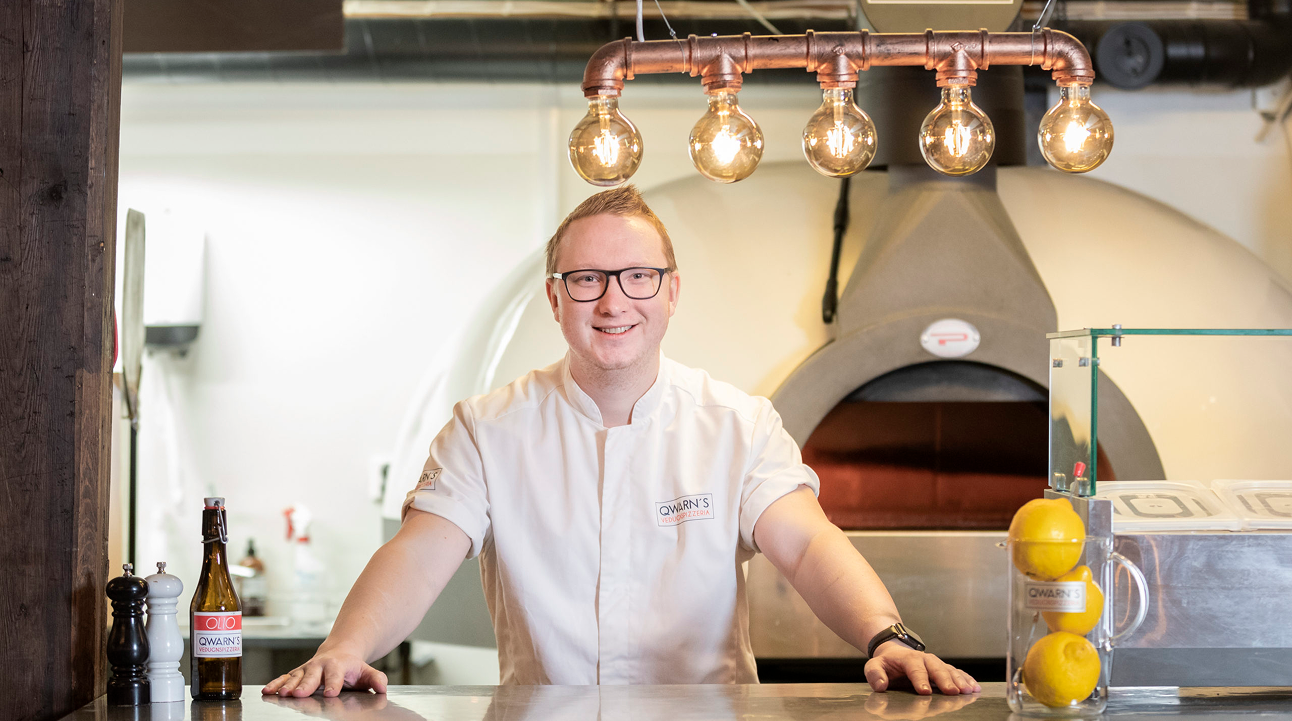
When Joakim Graning took over operations, Westerqwarn was already an established tourist destination with a restaurant and a long history as a gathering place. The task therefore looked different than when Sigvard Eriksson took on the old mill in the 1980s. Under Joakim’s leadership, the business has continued to evolve, and Westerqwarn has grown as a destination, offering a restaurant, camping, concerts and events, conferences, and activities for an increasingly larger part of the year. Sigvard saved the mill and breathed new life into it. Joakim has stewarded that legacy and continued to develop Westerqwarn into the destination it is today.

The Wood-Burning Oven

The wood-burning stove was lit in 2020 and hasn't gone cold since then

The idea was born in the midst of the pandemic—not exactly the most obvious time to open something new. Yet the wood-fired pizza was what allowed the restaurant to transition from a seasonal operation to a year-round one. It’s a brief chapter in the mill’s history. For the place, it’s proof that it’s still evolving. For over six hundred years, it’s been about making the most of what’s already here. The wood-fired oven is just the latest incarnation of that same philosophy.

The Museum Floor

The millstones are still there, one flight of stairs up in the house

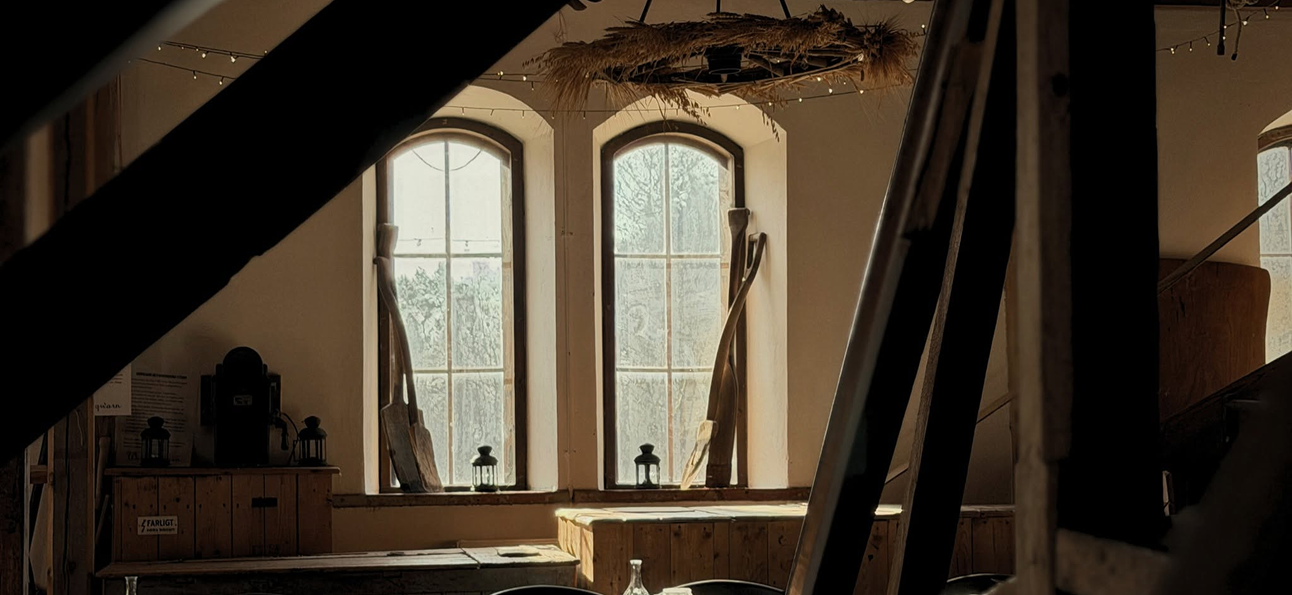
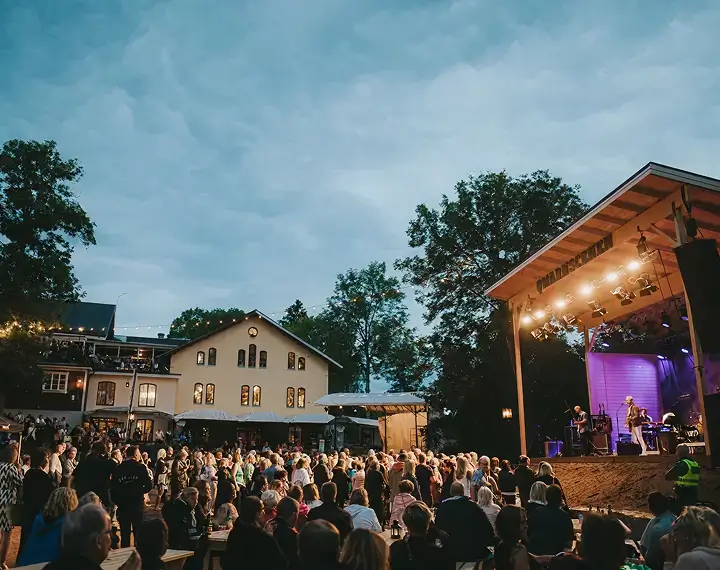
Machinery, millstones, tools, and old signs remain on the museum floor, in the same building where you eat. It’s not a museum you go to—it’s one you walk past on your way to your table. If you come on a late summer evening, people linger on the outdoor patio until the sun has set behind the canal and the boats have finished passing through the locks. If you come in December, string lights glow over the picket fences, and the air is filled with the scent of mulled wine and a wood fire. The building remains the same; it’s the season that changes the backdrop.

Frequently Asked Questions

The name appears in written records as early as 1399, and in the early 1400s, the mill was operated by monks. The building you are visiting today is newer: it was rebuilt in the 1800s and was then equipped with five millstones.

Yes. Machinery, millstones, tools, and old signs are still on display on the museum floor in the same building as the restaurant, one flight of stairs up. The floor can accommodate 60 people and is also used for private events, so please call 0220-406 88 before you go if you want to be sure you’ll be able to go up that particular day.

In the 1550s, Gustav Vasa had a fortress built in Strömsholm, where the present-day castle was later erected. During the same period, in 1557, Westerqwarn passed into the possession of the Crown. The two sites have thus been connected for nearly five hundred years, and are still located just a few minutes apart today.

In the 1970s. The waterwheel on the Kolbäcksån River powered the millstones until 1915, when the dam and the Västerkvarn power plant were built, but milling continued for over fifty more years. The power plant is still in operation and generates electricity for Mälarenergi.

Joakim Graning, who took over the business on October 1, 2017, and is also responsible for the content on this page. Before him, Sigvard Eriksson saved the building, which he purchased in 1988 and opened as a pub and restaurant in 1994 and 1995.

Six hundred years is hard to grasp just by reading about it

Come by sometime, go up one flight of stairs, and check out the history before your food arrives.
Explore More

Experiences

Concerts, Quiz nights, and Seasonal Highlights.

Read more

Nearby

The excursion is bigger than the mill

Read more

Activities

A 12-hole adventure golf course and walking trails along the canal.

Read more